

What is Enamel for KEA ?
Enamel is a glass-based coating applied to metal surfaces. Through this process, surfaces gain resistance to heat, corrosion, acids, and steam while also achieving long-lasting durability and a refined appearance. More than simply a coating method, enamel represents an advanced engineering solution that combines the structural strength of metal with the chemical resistance and aesthetic qualities of glass. At KEA, we bring together the heritage of traditional enameling craftsmanship with modern production technologies and highly trained specialists to deliver solutions that meet the highest standards of quality, performance, and reliability.



The Art of Glass and Metal
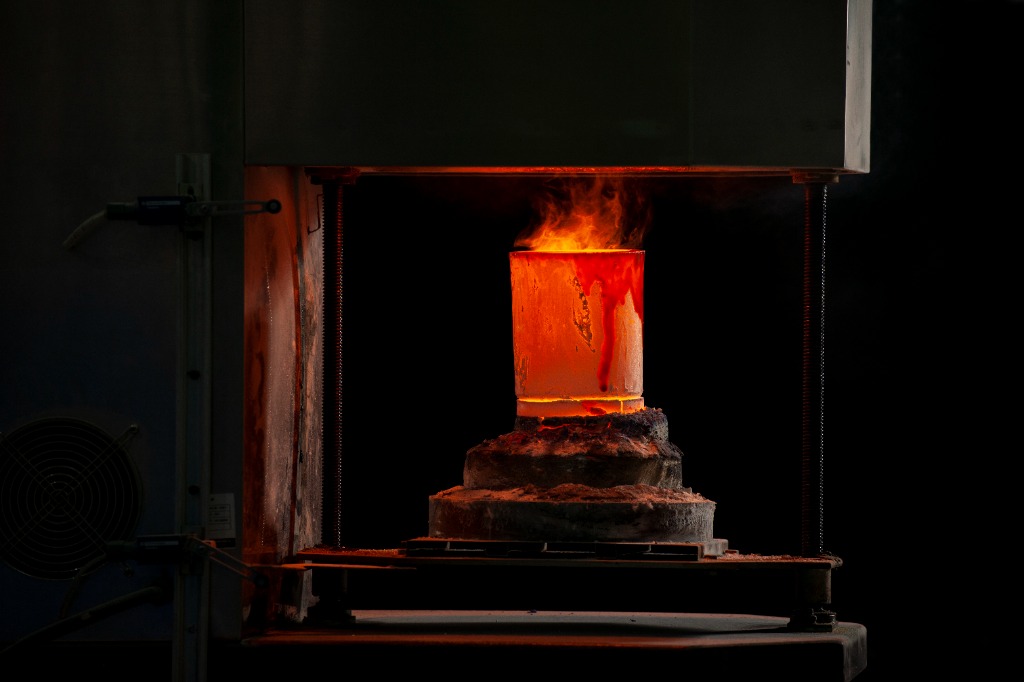
The enameling process represents the perfect harmony of glass (enamel frit) and metal. The structural strength unique to metal and the smooth, hygienic, and durable surface of glass combine at the molecular level during the firing stage to become a single body. This unique bond offers high-performance solutions in a wide range of applications, from kitchenware to white goods, architectural panels to industrial tanks.
Sector Information
In industrial production, enamel has strategic importance in a wide range from home appliances to architectural panels, from industrial kitchen equipment to energy systems. With its heat resistance, hygienic surface structure, and corrosion prevention properties, it is an indispensable part of leading sectors such as automotive and construction. Our sectoral knowledge is structured to cover all processes in this wide area of use.

Enamel Usage in the World
In the global market, the use of enamel is increasing day by day along with sustainability and environmentally friendly production trends. Its 100% recyclable structure and long-lasting use make enamel a priority choice in world-standard production facilities. Our academy aims to increase global competitiveness by integrating these technological developments and modern application techniques (electrostatic systems, Datapaq optimizations, etc.) into local production fields.